0% Complete
English
صفحه اصلی
/
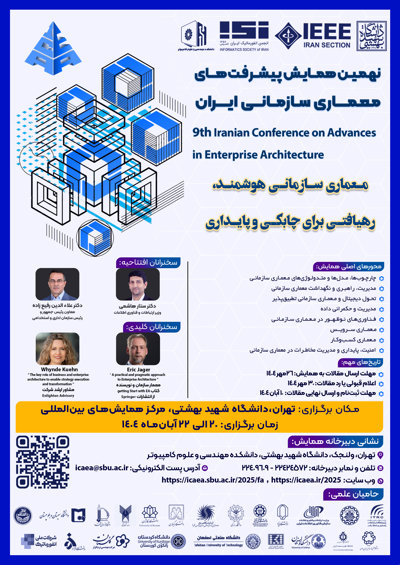
نهمین همایش پیشرفتهای معماری سازمانی ایران
Redesigning the Security Unit Structure in Parent-Subsidiary Organizations Based on Security Capabilities
نویسندگان :
Saeed Shokrollahi
1
1- Shahid Beheshti University
کلمات کلیدی :
Enterprise Architecture،Operating Model،Security Unit Redesign،Parent-Subsidiary Structure،Security Capabilities
چکیده :
In parent-subsidiary organizations, which consist of a headquarters and multiple subsidiaries, cybersecurity challenges have become increasingly prominent due to their multidimensional nature. These challenges arise from the traditional structure of security units, which often fails to align with the demands of complex, distributed environments, and can be grouped into people, process, and technology domains. Enterprise architecture, as a key framework for integrating strategies, processes, and technologies, offers a vital opportunity to redesign the security unit within its business layer. This redesign enhances system reliability, regulatory compliance, risk management, and business continuity. This article analyzes security capabilities and their related processes to propose a restructured security unit in the enterprise architecture's business layer. By embedding security as a core element of business strategy, it ensures alignment with organizational goals. The redesign serves as both an operational necessity and a strategic imperative, boosting resilience, cost efficiency, and inter-unit coordination. We introduce a systematic method grounded in six key security capabilities: security strategy, security management, external compliance, risk management, internal control and audit, and response and recovery. Through an analysis of inter-capability relationships, we identify how capabilities are mapped to the sections of the security unit. Furthermore, a multi-modal operating model is proposed to balance centralization and decentralization between headquarters and subsidiaries. This model centralizes governance capabilities for unified oversight while decentralizing operational ones for local agility, achieving a dynamic equilibrium between control and flexibility. Implementing this approach not only elevates organizational security effectiveness but also fosters deeper adherence to enterprise architecture principles, promoting long-term sustainability in cybersecurity.
لیست مقالات
لیست مقالات بایگانی شده
تحلیل تطبیقی سازوکارهای حکمرانی داده در مواجهه با تنوع نهادی و پیچیدگیهای بینسازمانی
فاطمه جمالی - علی شایان - علیرضا حسن زاده - اسماء حمزه
معماری سازمانی هوشمند، عمود خیمه سازمانها در عصرتحول دیجیتال و هوش مصنوعی
لاله نجبایی
حکمرانی سلامت دیجیتال در ایران: چالشها و ارائه راهکار
حامد صمدپور - فاطمه لطفی
از TOGAF تا ACEA تحول به سوی معماری سازمانی خودران مبتنی بر هوش مصنوعی
نیما سلامی - حسن حقیقی
ارزیابی و پیادهسازی روش تحلیل دروازهای بر روی موتور جریان کار Flowable به منظور صحتسنجی ساختاری مدلهای فرآیندی BPMN
یحیی پورسلطانی - محمد حسن شیرعلی شهرضا - سید علیرضا هاشمی گلپایگانی
ارزیابی قابلیت مدیریت و راهبری معماری سازمانی-مطالعه موردی (مجموعه وزارت نیرو)
آزرم دهستانی - ایمان مهدوی - طاهره فرخی
Machine Learning-Driven Design Optimization of CNFET-Based SRAM Cells
Mohammadhasan Jali - S. Mohammadali Zanjani - Mehdi Dolatshahi - Behrang Barekatain
تحول دیجیتال در سکوی هوشمند زمین
فرهاد مردوخی - علی رستم پور - مازیار مباشری - فائزه حسینی - مهران مسروری - رضا یوسفوند
نقش معماری سازمانی در توسعه شایستگی های دیجیتال سازمانی
سیده ریحانه میرسالاری - مینا رنجبرفرد
درآمدی بر زمینهها و قابلیتهای چارچوبهای متداول معماری سازمانی در تدوین معماری امنیت اطلاعات سازمانی
زینب درویشی آبسردی - امید رجائی - دکتر محمد صادق رضایی
بیشتر
ثمین همایش، سامانه مدیریت کنفرانس ها و جشنواره ها - نگارش 43.0.2